
Houseplants are a wonderful way to bring greenery and life into your home. They not only improve indoor air quality but also create a calming atmosphere. However, keeping houseplants healthy can sometimes feel challenging, especially if you’re new to indoor gardening. This guide offers practical, easy-to-follow tips to help your plants thrive.
Understanding Your Houseplants’ Needs
Before diving into care routines, it’s essential to understand that different plants have different requirements. Knowing what your specific plants need is the first step toward their health.
Light Requirements
Plants vary widely in how much light they need.
– Bright light: Succulents, cacti, and many flowering plants thrive in direct sunlight. Place these near south- or west-facing windows.
– Indirect light: Many tropical plants like pothos, philodendrons, and ferns prefer bright but indirect light.
– Low light: Some plants like snake plants or ZZ plants can tolerate lower light conditions, suitable for rooms with limited natural light.
Observing your plant’s reaction to its environment helps you adjust its location for the best light exposure.
Watering Basics
Water is critical, but overwatering is a common mistake.
– Check soil moisture: Use your finger or a moisture meter to check soil before watering. Most houseplants prefer the top inch or two of soil to dry out between waterings.
– Drainage: Ensure pots have drainage holes to prevent water from sitting and causing root rot.
– Water quantity: Water thoroughly until it drains out the bottom, but don’t leave the plant sitting in water.
Keep in mind seasonal changes: plants often need less water during winter when growth slows.
Humidity and Temperature
Most houseplants prefer moderate humidity and consistent temperatures.
– Humidity: Many tropical plants appreciate humidity levels around 40-60%. You can increase humidity by misting leaves, placing a humidifier nearby, or grouping plants together.
– Temperature: Avoid placing plants near drafts, radiators, or air conditioners. Most houseplants do well within 65-75°F (18-24°C).
Regular Maintenance for Healthy Plants
Regular care can prevent many common problems.
Cleaning Leaves
Dust can block light and reduce plant health.
– Use a soft, damp cloth to gently wipe leaves regularly.
– For delicate plants, a light misting can help remove dust.
Pruning and Trimming
– Remove dead or yellowing leaves to encourage new growth.
– Trim leggy or overgrown stems to maintain shape and vitality.
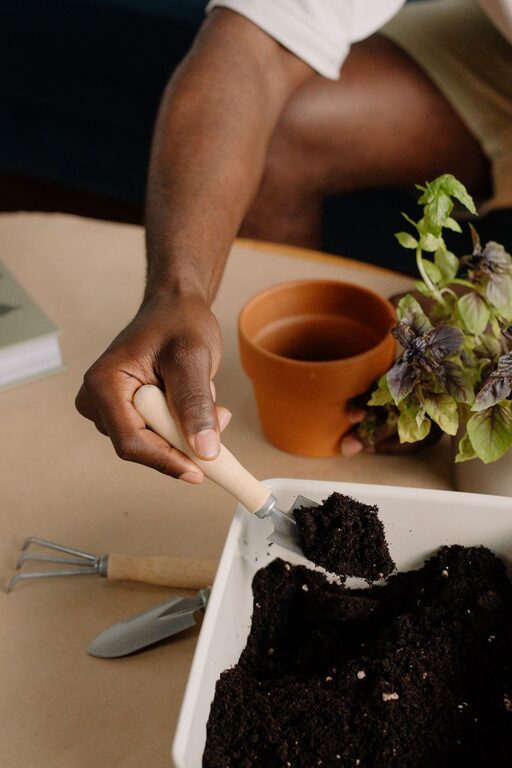
Repotting
– Repot your plants when they outgrow their containers or soil quality declines, usually every 1-2 years.
– Choose pots slightly larger than the current one and fresh potting soil suited for your plant type.
Preventing and Managing Pests
Indoor plants can sometimes attract pests like spider mites, aphids, or mealybugs.
– Inspection: Check new plants before bringing them indoors.
– Natural solutions: Use insecticidal soaps or neem oil sprays for minor infestations.
– Isolation: Quarantine affected plants to avoid spreading pests to others.
Tips for Specific Plant Types
Succulents and Cacti
– Require bright, direct light.
– Water sparingly, allowing soil to dry completely between waterings.
– Use well-draining soil designed for succulents.
Tropical Plants (e.g., Monstera, Philodendron)
– Prefer indirect light and higher humidity.
– Keep soil evenly moist but not soggy.
– Regularly mist leaves or use a humidifier.
Ferns
– Thrive in indirect light and high humidity.
– Keep soil consistently moist.
– Avoid dry air and cold drafts.
Troubleshooting Common Issues
Yellow Leaves
– Often a sign of overwatering, poor drainage, or too much direct sun.
– Adjust watering schedule and check pot drainage.
Brown Leaf Tips
– Could indicate low humidity, underwatering, or salt buildup.
– Increase humidity and flush soil with water occasionally.
Leggy Growth
– Indicates insufficient light.
– Move plant to brighter location or supplement with grow lights.
Conclusion
With a little attention and care, houseplants can flourish and enhance your indoor living space. By understanding your plants’ needs and following these practical tips, you’ll enjoy the beauty and benefits of healthy, thriving greenery in your home.
Happy planting!
Related Posts
How to Start a Small Herb Garden Indoors: A Beginner’s Guide
Starting a small herb garden indoors is a rewarding way…