
Starting a small herb garden indoors is a rewarding way to bring fresh flavors to your kitchen and add a touch of greenery to your home. Whether you have a spacious kitchen or a sunny windowsill, growing herbs inside can be simple and enjoyable. This guide will walk you through everything you need to know to get your indoor herb garden up and running.
Why Grow Herbs Indoors?
Herbs are a great choice for indoor gardening because they are relatively easy to grow, don’t require much space, and can thrive in pots. Having fresh herbs on hand means you can enhance your dishes with flavors like basil, mint, or rosemary anytime. Plus, cultivating plants indoors can improve air quality and brighten your living space.
Choosing the Right Herbs for Indoor Growth
Some herbs are better suited for indoor environments than others. Here are a few popular choices:
– Basil: Loves warmth and sunlight; perfect by a south-facing window.
– Mint: Grows quickly and can handle less light; great for tea or garnishes.
– Parsley: Prefers moderate light and cooler temperatures.
– Thyme: Tolerates drier soil and less frequent watering.
– Chives: Hardy and easy to maintain; perfect for beginners.
– Oregano: Likes warmth and plenty of light.
When selecting herbs, consider your available space, light conditions, and how you plan to use the herbs.
What You’ll Need to Get Started
Before planting, gather the essentials:
– Containers: Small pots or containers with drainage holes to prevent waterlogging.
– Potting Soil: A high-quality, well-draining mix designed for indoor plants or herbs.
– Seeds or Starter Plants: Starting from seeds might take longer, but starter plants are a quicker option.
– Labels: Small markers to identify your herbs.
– Watering Can: For gentle, controlled watering.
– Light Source: Natural light from a window or supplemental grow lights.
Preparing Your Indoor Herb Garden
Step 1: Select the Location
Choose a spot that gets at least 4-6 hours of sunlight daily, such as a south- or west-facing windowsill. If natural light is limited, consider using LED grow lights to provide the necessary spectrum for healthy growth.
Step 2: Choose Your Containers
Use pots with drainage holes to avoid root rot. Containers can be made of clay, plastic, or ceramic. Ensure they are the right size for your herbs — generally 4 to 8 inches in diameter.
Step 3: Fill with Potting Mix
Fill your containers with potting soil, leaving about an inch of space at the top. Avoid garden soil, which can be too dense for indoor plants.
Planting Your Herbs
Starting from Seeds
– Follow the seed packet instructions for depth and spacing.
– Lightly moisten the soil before planting.
– Cover seeds with a thin layer of soil and gently press down.
– Keep the soil moist but not soggy until seeds germinate.
Starting from Starter Plants
– Gently remove starter plants from their nursery pots.
– Loosen the root ball slightly.
– Plant at the same level they were growing in their original container.
– Water thoroughly after planting.
Caring for Your Indoor Herb Garden
Watering
Most herbs prefer soil that’s consistently moist but not waterlogged. Water when the top inch of soil feels dry to the touch. Overwatering can cause root rot, so good drainage is essential.
Light
Maintain 4-6 hours of direct sunlight daily or use grow lights for about 12-16 hours when natural light is insufficient.
Temperature and Humidity
Most herbs thrive in temperatures between 65-75°F (18-24°C). Avoid placing plants near drafts, heaters, or air conditioners. Moderate humidity is fine; misting occasionally can help if your home is very dry.
Fertilizing
Use a balanced, water-soluble fertilizer every 4-6 weeks during the growing season. Dilute to half the recommended strength to avoid overfeeding.
Pruning and Harvesting
Regularly pinch or cut back your herbs to encourage bushier growth and prevent leggy plants. Harvest leaves as needed, but avoid removing more than one-third of the plant at a time.
Troubleshooting Common Issues
– Yellowing Leaves: Could indicate overwatering or poor drainage.
– Leggy Growth: Usually a sign of insufficient light.
– Pests: Watch for aphids or spider mites; treat with insecticidal soap if needed.
– Wilting: Often due to underwatering or root issues.
Tips for Success
– Rotate pots weekly to ensure even light exposure.
– Use saucers under pots to catch excess water.
– Start with hardy herbs if you’re new to gardening.
– Keep a journal to note watering schedules and growth progress.
Final Thoughts
Starting a small indoor herb garden is an easy and practical way to enjoy fresh herbs year-round. With the right setup, a bit of care, and patience, you’ll have a thriving mini garden that spices up your cooking and brightens your home. Happy gardening!
Related Posts
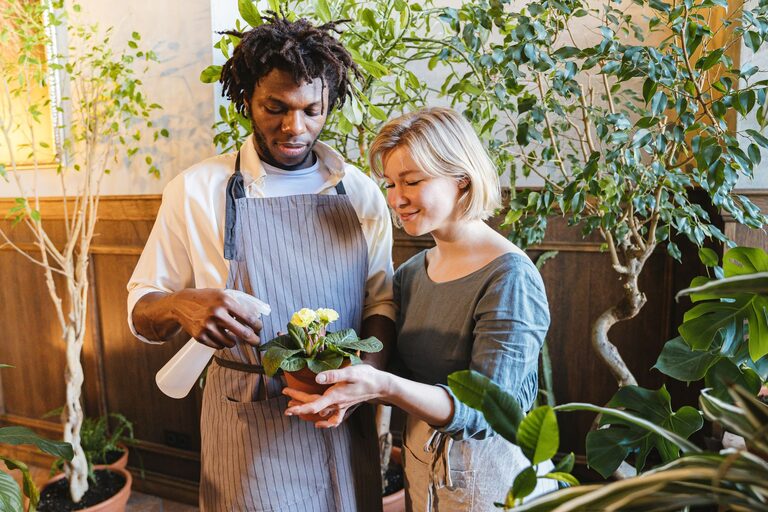
Tips for Keeping Your Houseplants Healthy and Thriving
Houseplants are a wonderful way to bring greenery and life…